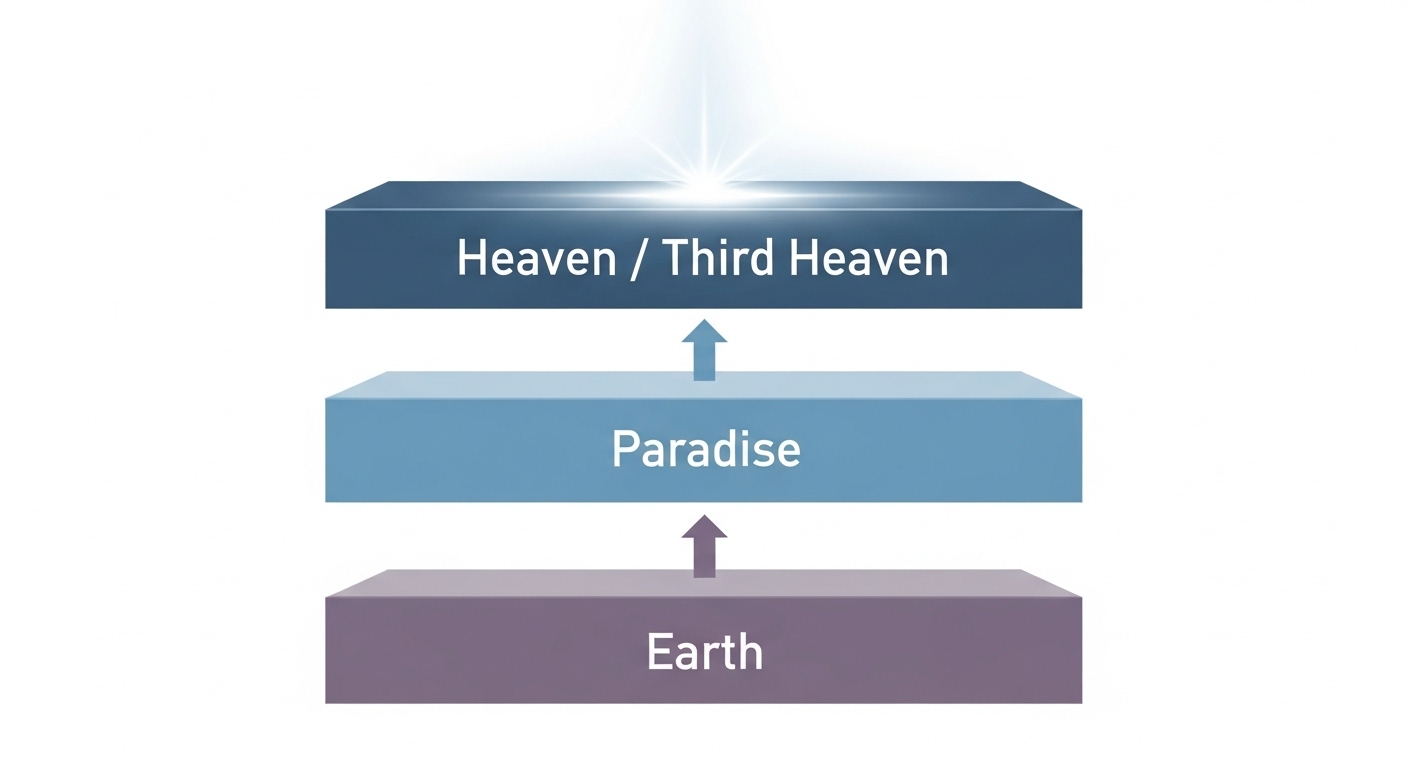
Choosing the right approach to paradise vs heaven: understanding the difference starts with clear context, practical filters, and realistic expectations.
Introduction to Paradise and Heaven
The concepts of paradise and heaven have been debated and explored in various cultures and religions for centuries. While often used interchangeably, these terms have distinct meanings and connotations. Paradise is often associated with a state of bliss, serenity, and beauty, whereas heaven is commonly linked to a divine realm or afterlife. Understanding the differences between these two concepts can provide valuable insights into the human experience and the nature of spirituality.
Origins of Paradise and Heaven The concept of paradise has its roots in ancient Persian and Greek cultures, where it referred to a walled garden or a beautiful, idyllic landscape. In contrast, the concept of heaven has its
origins in ancient Mesopotamian and Judeo-Christian traditions, where it was seen as a divine realm or kingdom. The differences in their origins reflect the unique cultural, historical, and theological contexts in which they developed.
Cultural Variations In Islamic tradition, paradise (Jannah) is a beautiful garden filled
with delights and pleasures, while in Christian theology, heaven is often seen as a realm of divine presence and eternal life. In Hinduism and Buddhism, the concept of paradise is often associated with a state of liberation or enlightenment, rather than a physical location. These
cultural variations highlight the complexity and diversity of human experiences and beliefs.
Theological Perspectives From a
theological perspective, the differences between paradise and heaven are significant. Heaven is often seen as a realm of divine judgment, where souls are either rewarded or punished based on their deeds. In contrast, paradise is often associated with a state of spiritual growth, self-realization, and enlightenment. The theological perspectives on these concepts reflect the diverse ways in which human societies have attempted to understand and explain the mysteries of the universe.

Practical Implications The differences between paradise and heaven have
practical implications for individuals and communities. For example, the concept of paradise can inspire individuals to create beautiful, peaceful environments that promote well-being and happiness. In contrast, the concept of heaven can motivate individuals to pursue moral virtues, spiritual growth, and selfless service. By understanding the differences between these concepts, individuals can cultivate a deeper appreciation for the complexities of human experience and the nature of spirituality.
Common Misconceptions One
common misconception is that paradise and heaven are synonymous terms. However, as we have seen, these concepts have distinct meanings and connotations. Another misconception is that these concepts are exclusive to religious or spiritual contexts. In reality, the concepts of paradise and heaven have been explored in various fields, including philosophy, psychology, and literature. By recognizing these misconceptions, individuals can develop a more nuanced understanding of these complex concepts.
Real-World Examples In
real-world contexts, the concepts of paradise and heaven can be seen in various forms. For example, a beautiful, serene landscape can be seen as a paradise on earth, while a community that promotes social justice, equality, and compassion can be seen as a heaven on earth. These examples highlight the ways in which the concepts of paradise and heaven can inspire individuals and communities to create positive change in the world.
Comparison and Contrast In comparing and contrasting paradise and heaven, it is clear that
these concepts have distinct characteristics.
Paradise is often associated with beauty, serenity, and pleasure, while heaven is linked to divine judgment, moral virtues, and spiritual growth. While both concepts are concerned with the human experience, they approach this experience from different perspectives. Ultimately, the differences between paradise and heaven reflect the complexity and diversity of human experiences and beliefs.
Verdict In conclusion, the differences between paradise and heaven are significant and multifaceted.

By understanding these differences, individuals can develop a deeper appreciation for the complexities of human experience and the nature of spirituality. Whether seen as a state of bliss, a divine realm, or a state of liberation, the concepts of paradise and heaven continue to inspire and guide individuals and communities around the world.
FAQs
- What is the origin of the concept of paradise?
- The concept of paradise has its roots in ancient Persian and Greek cultures, where it referred to a walled garden or a beautiful, idyllic landscape.
- How does the concept of heaven differ from paradise?
- Heaven is often seen as a divine realm or kingdom, whereas paradise is associated with a state of bliss, serenity, and beauty.
- What are the practical implications of the differences between paradise and heaven?
- The differences between paradise and heaven have practical implications for individuals and communities, inspiring individuals to create beautiful environments, pursue moral virtues, and promote social justice.
- Are the concepts of paradise and heaven exclusive to religious or spiritual contexts?
- No, the concepts of paradise and heaven have been explored in various fields, including philosophy, psychology, and literature.
- Can the concepts of paradise and heaven be seen in real-world contexts?
- Yes, the concepts of paradise and heaven can be seen in various forms, such as beautiful landscapes, communities that promote social justice, and individuals who embody moral virtues.
- How do the concepts of paradise and heaven reflect the complexity and diversity of human experiences and beliefs?
- The differences between paradise and heaven reflect the unique cultural, historical, and theological contexts in which they developed, highlighting the complexity and diversity of human experiences and beliefs.
- What is the ultimate significance of the differences between paradise and heaven?
- The differences between paradise and heaven inspire individuals and communities to cultivate a deeper appreciation for the complexities of human experience and the nature of spirituality, guiding them towards positive change and personal growth.