Hollywood is shrinking—not in creativity, but in capacity. The latest tremor? Quixote Studios, once a resilient fixture in Los Angeles’ production ecosystem, has laid off 70 staff members and announced it will wind down most of its sound stage operations. The move, confirmed by internal memos and industry sources, marks another withdrawal from physical production infrastructure at a time when streaming volatility, budget tightening, and location competition are reshaping where and how content gets made.
This isn’t just a studio downsizing. It’s a symptom of a broader recalibration—one that’s leaving sound stages idle, crews unemployed, and long-standing facilities scrambling to survive.
The Anatomy of Quixote’s Exit from Core Production
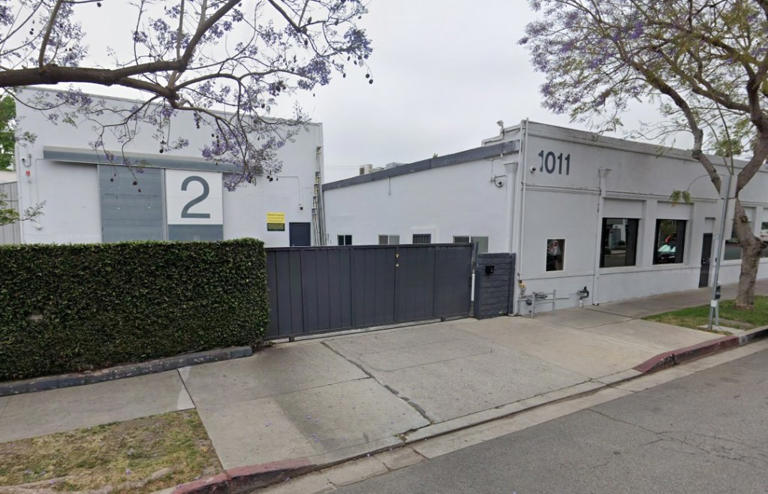
Quixote Studios, founded in the late 1990s, built its reputation on premium sound stages, cutting-edge technology, and client relationships with major studios and A-list directors. Its two main campuses—one in West Hollywood and another in Santa Clarita—hosted everything from high-end commercials to major feature films and network television shoots.
But over the past 18 months, occupancy rates have plummeted. According to insiders, stage utilization dropped to below 40%, a critical threshold for operational sustainability. The recent layoffs weren’t sudden; they were the culmination of months of cost-cutting, deferred maintenance, and failed negotiations with anchor tenants.
The company will retain a skeleton crew to manage remaining leases and digital services, including virtual production support and studio consulting. But the heart of its business—managing and operating physical sound stages—is effectively shutting down.
“When you’re not booking stages, you can’t justify the real estate, the power, the staff,” said a former operations manager who spoke on condition of anonymity. “The math just stops working.”
Why Quixote’s Collapse Matters Beyond One Studio
It’s easy to dismiss this as the failure of a single player in a competitive market. But Quixote’s retreat is a warning flare. Its story mirrors that of other mid-tier studios—like Ren-Mar, now redeveloped into luxury housing, or the shuttered stages at Raleigh Studios—who couldn’t withstand the triple pressure of:
- Soaring real estate costs in L.A.
- Migration of production to cheaper, tax-incentivized states (Georgia, New Mexico, Michigan)
- The post-streaming bubble correction, where studios are cutting budgets and favoring pre-existing content over new shoots
Quixote wasn’t a giant like Universal or Warner Bros., but it filled a crucial niche: flexible, high-quality stages for mid-budget films, episodic TV, and branded content. Its closure reduces options for independent producers and smaller studios who can’t afford the premium rates of the major lots.
The Ripple Effect on Crew and Infrastructure
The 70 layoffs include technicians, stagehands, electricians, and administrative staff—many with decades of industry experience. These aren’t entry-level roles; they’re the skilled workforce that keeps productions running smoothly behind the scenes.
When a studio like Quixote closes, the impact isn’t contained. It affects:
- Local vendors (catering, equipment rental, transportation)
- Union membership stability (IATSE, Teamsters)
- The confidence of investors considering future studio development in California
Los Angeles County’s Film Office reports a 27% decline in production days year-over-year. Fewer shoots mean fewer jobs, which drives talent to relocate—or leave the industry entirely.
What Drove Quixote’s Downfall?
No single factor killed Quixote Studios. It was a slow bleed caused by structural and market forces.

1. The Streaming Hangover During the 2018–2022 streaming boom, studios rushed to fill pipelines with original content. Demand for sound stages exploded, and companies like Quixote expanded operations. But with Netflix, Disney+, and Warner Bros. Discovery now prioritizing profitability over volume, production orders have dried up.
Projects are being canceled after pilot shoots. Renewals are slower. Budgets are slashed. As a result, fewer productions need long-term stage commitments.
2. Tax Incentives Pulling Work Out of State California offers a film tax credit, but it’s capped and lottery-based. Meanwhile, Georgia offers up to 30% in transferable credits with no annual cap. New Mexico, Louisiana, and Ohio are similarly aggressive.
A 2023 UCLA Anderson study found that for every $1 million in production spending, California loses $680,000 to out-of-state competition due to incentive disparities.
Quixote couldn’t compete with the all-in production packages offered in Albuquerque or Atlanta—where entire ecosystems (stages, crews, post-production) are subsidized.
3. Real Estate Pressures in Los Angeles Land in Los Angeles is expensive—and getting more so. Quixote’s West Hollywood property, located near the Sunset Strip, is in one of the most valuable commercial zones in the country. Holding onto that real estate for underutilized stages became a financial liability.
Rumors persist that the property may be redeveloped for mixed-use or residential purposes, a fate that’s already overtaken other studio spaces in Hollywood. The tension between preserving production infrastructure and maximizing real estate returns is now at a breaking point.
The Industry’s Shifting Studio Model
Quixote’s withdrawal reflects a broader shift in how studios operate. The old model—owning land, building stages, hiring full-time staff—is being replaced by leaner, more agile approaches.
Rise of the Virtual and Hybrid Studio Some companies are pivoting to virtual production, using LED volumes and real-time rendering (like Unreal Engine) to reduce the need for physical sets and stages. Quixote had invested in this space, but not enough to offset its core losses.
Others are adopting “studio-as-a-service” models—operating stages on a project-by-project basis, outsourcing staffing, and minimizing fixed costs. This allows for flexibility but erodes job security and long-term investment.
Consolidation and Outsourcing Major studios are consolidating. Netflix acquired Sunset Bronson Studios. Amazon is expanding its presence at Culver Studios. Meanwhile, independent producers are increasingly outsourcing to third-party production services in lower-cost markets.
The result? Fewer standalone stage operators like Quixote, and more vertically integrated giants controlling both content and infrastructure.
What’s Next for Hollywood’s Physical Production?
The closure of Quixote’s sound stage business isn’t an isolated event. It’s part of a pattern: physical production in Los Angeles is contracting.
Three Possible Futures
- The Hollowed-Out Core
- L.A. remains the creative hub—writers, directors, executives—but actual filming moves elsewhere. Stages sit empty. Crews commute or relocate. Hollywood becomes a “brain trust” without hands.
- The Niche Revival
- A new wave of boutique studios emerges, focusing on high-end, tech-forward production (virtual stages, AI integration, sustainable sets). These serve premium clients but can’t replace volume.
- Policy-Driven Turnaround
- California significantly increases its film tax credit, expands eligibility, and invests in modernizing infrastructure. This could stabilize the market—but requires political will and funding.
Until then, studios like Quixote will remain vulnerable.
Lessons for the Industry
Quixote’s exit offers hard-earned lessons for other independent studio operators and stakeholders:
- Diversification is survival: Relying solely on stage rentals is risky. The most resilient studios now offer post-production, equipment rental, and studio management as bundled services.
- Flexibility beats scale: Smaller, adaptable stages are in higher demand than massive ones. Modular designs allow quicker turnaround between productions.
- Location isn’t everything: Proximity to talent pools matters, but so do incentives, affordability, and workflow efficiency. Being in L.A. no longer guarantees bookings.
- Digital can’t replace physical: While virtual production grows, most content still requires physical space. The market needs balance—not abandonment.
One mid-sized studio executive put it bluntly: “We used to compete on service. Now we compete on survival.”
A Call for Realignment
The end of Quixote’s sound stage era isn’t just about layoffs or shuttered doors. It’s about a lost layer of infrastructure that supported innovation, access, and employment for thousands.
If Hollywood wants to remain a production capital—not just a branding one—it must confront the economic realities that pushed Quixote out. That means:
- Revising tax incentives to be competitive
- Supporting mixed-use studio developments that preserve production space
- Investing in next-gen infrastructure (green stages, AI-enhanced workflows)
- Creating pathways for mid-sized operators to survive between the majors and the indies
Otherwise, more closures are inevitable. And each one weakens the foundation.
Quixote’s story doesn’t have to be a eulogy. It can be a wake-up call.
Practical Takeaways for Production Professionals
- For producers: Build contingency plans for stage availability. Consider hybrid shoots that combine virtual and physical elements.
- For crew members: Diversify skills—learn virtual production tools, remote collaboration platforms, and cross-department workflows.
- For studio owners: Explore partnerships, shared-stage models, or conversion to tech-forward facilities to stay competitive.
- For policymakers: Treat sound stages as critical infrastructure, not just real estate.
The tools to adapt exist. What’s missing is the coordinated will to use them.
Closing: Hollywood Must Reinvent, Not Retreat
Quixote Studios’ decision to lay off 70 staff and wind down most of its sound stage operations isn’t just a corporate retreat—it’s a marker of transformation. Hollywood’s golden age of guaranteed shoots and endless expansion is over. But that doesn’t mean the end of production. It means the beginning of a leaner, smarter, and more resilient era.
The studios that survive won’t be the biggest. They’ll be the most adaptive.
For now, Quixote’s quiet stages stand as a somber reminder: in Hollywood, even legends can become casualties of change. The real story isn’t how it ended—but what we choose to build next.
FAQ
Why did Quixote Studios lay off 70 employees? Quixote cut staff due to declining sound stage bookings, rising operational costs, and an unsustainable business model amid falling demand for physical production space in Los Angeles.
Will Quixote Studios close completely? No. While it’s winding down most of its sound stage operations, Quixote will continue limited digital and consulting services, though at a significantly reduced scale.
Where are film productions going instead of L.A.? Many productions are moving to states like Georgia, New Mexico, and Michigan, which offer more generous tax incentives and lower overall costs.
How does Quixote’s exit affect film crews in Hollywood? The layoffs reduce job opportunities for skilled technicians and support staff, contributing to a broader trend of crew displacement and outmigration from California.
Is virtual production replacing sound stages? Partial replacement. Virtual production is growing, especially for high-budget films, but most content still relies on physical stages. The ideal future is a hybrid model.
Could Quixote have survived with better financing? Possibly, but structural issues—like real estate costs and incentive gaps—would have remained. Survival would have required major strategic pivots, not just capital.
What can California do to keep studios open? Increase and modernize its film tax credit program, support adaptive reuse of studio spaces, and invest in next-generation production infrastructure.
FAQ
What should you look for in Quixote Studios Cuts 70 Jobs, Exits Sound Stage Business? Focus on relevance, practical value, and how well the solution matches real user intent.
Is Quixote Studios Cuts 70 Jobs, Exits Sound Stage Business suitable for beginners? That depends on the workflow, but a clear step-by-step approach usually makes it easier to start.
How do you compare options around Quixote Studios Cuts 70 Jobs, Exits Sound Stage Business? Compare features, trust signals, limitations, pricing, and ease of implementation.
What mistakes should you avoid? Avoid generic choices, weak validation, and decisions based only on marketing claims.
What is the next best step? Shortlist the most relevant options, validate them quickly, and refine from real-world results.